What Does a "Restricted" Ingredient Actually Mean?
A "restricted" cosmetic ingredient almost never means banned — it means a concentration or pH rule, and 2,304 products in our catalog carry one, most for ordinary actives like citric acid.
Check popular claims, understand evidence limits, and see why uncertainty is not the same as a verdict.

Start with a focused guide or tool before scanning the full section.
A short path into the section before the complete directory.

A "restricted" cosmetic ingredient almost never means banned — it means a concentration or pH rule, and 2,304 products in our catalog carry one, most for ordinary actives like citric acid.
Next read
Health Canada caps methylisothiazolinone and methylchloroisothiazolinone by concentration and product type rather than banning them — a rule built on a documented, multi-country rise in contact allergy that several independent research groups called an "epidemic."
Next read
Rice water's K-beauty popularity rides on a real, centuries-old East Asian folk practice — but the clinical evidence behind it is a handful of small studies from 2002 to 2018, plus at least one widely repeated statistic that doesn't trace back to any readable source.
22 of 22 evidence & myths articles
Evidence & mythsWhat Does a "Restricted" Ingredient Actually Mean?Aug 20, 2026 / 7 min read
Evidence & mythsWhy Does Health Canada Restrict MIT and MCI Preservatives?Aug 20, 2026 / 7 min read
Evidence & mythsDoes Rice Water Actually Work for Your Skin?Aug 20, 2026 / 16 min read
Evidence & mythsIs Witch Hazel Good or Bad for Your Skin?Aug 20, 2026 / 11 min read
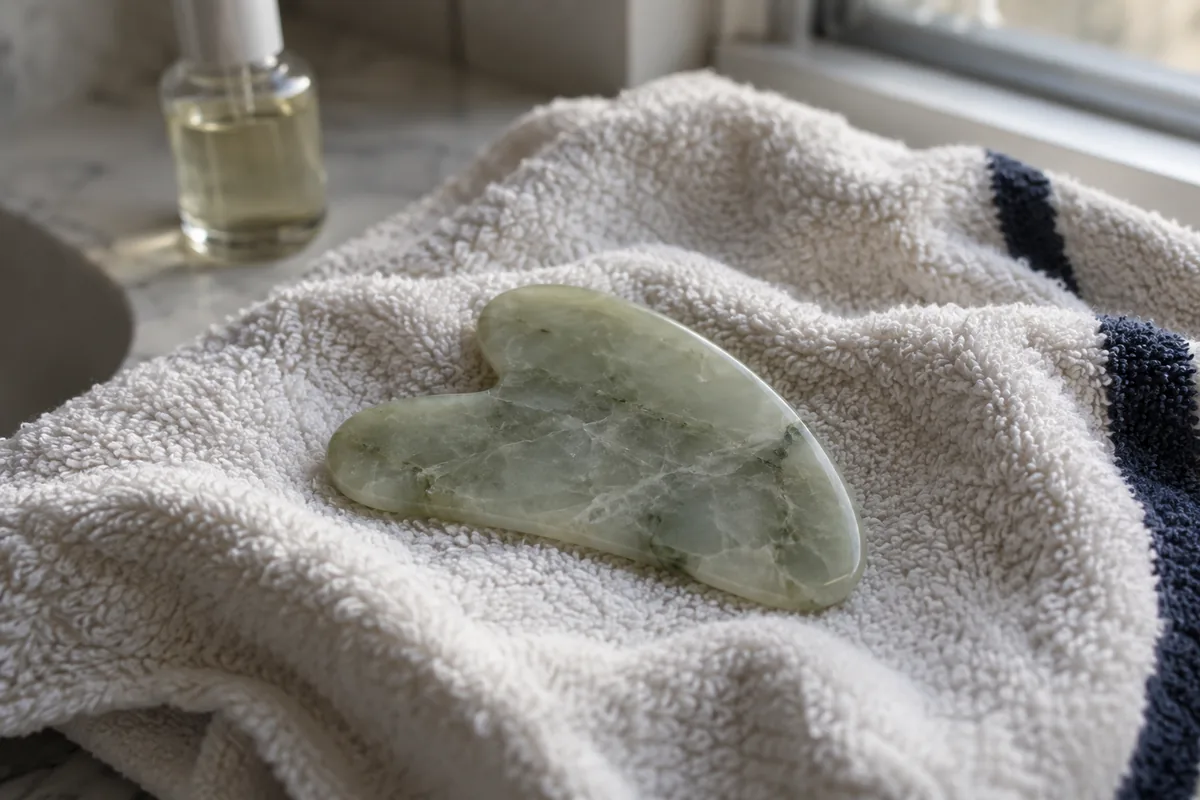
Evidence & mythsDoes Gua Sha Actually Work? What the Circulation Studies ShowJul 19, 2026 / 7 min read
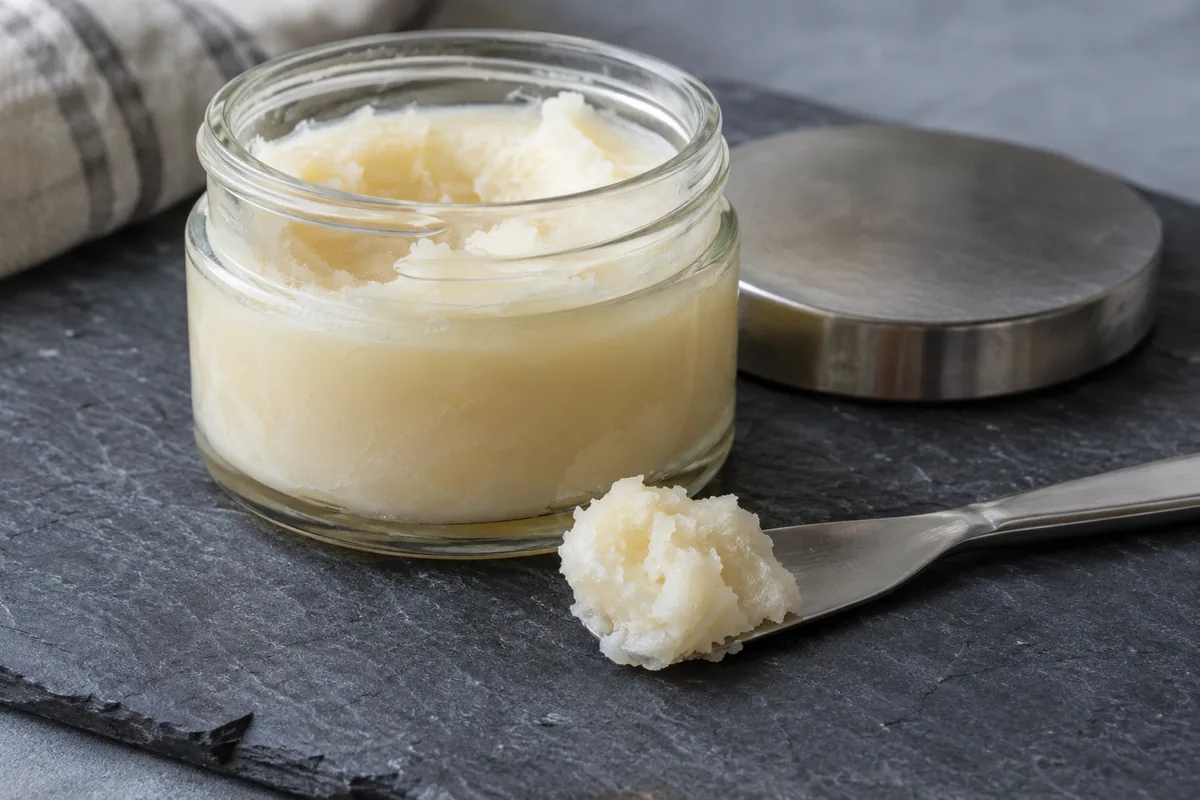
Evidence & mythsBeef Tallow for Skin: The Chemistry Is Real, the Retinol Claim Isn'tJul 19, 2026 / 7 min read
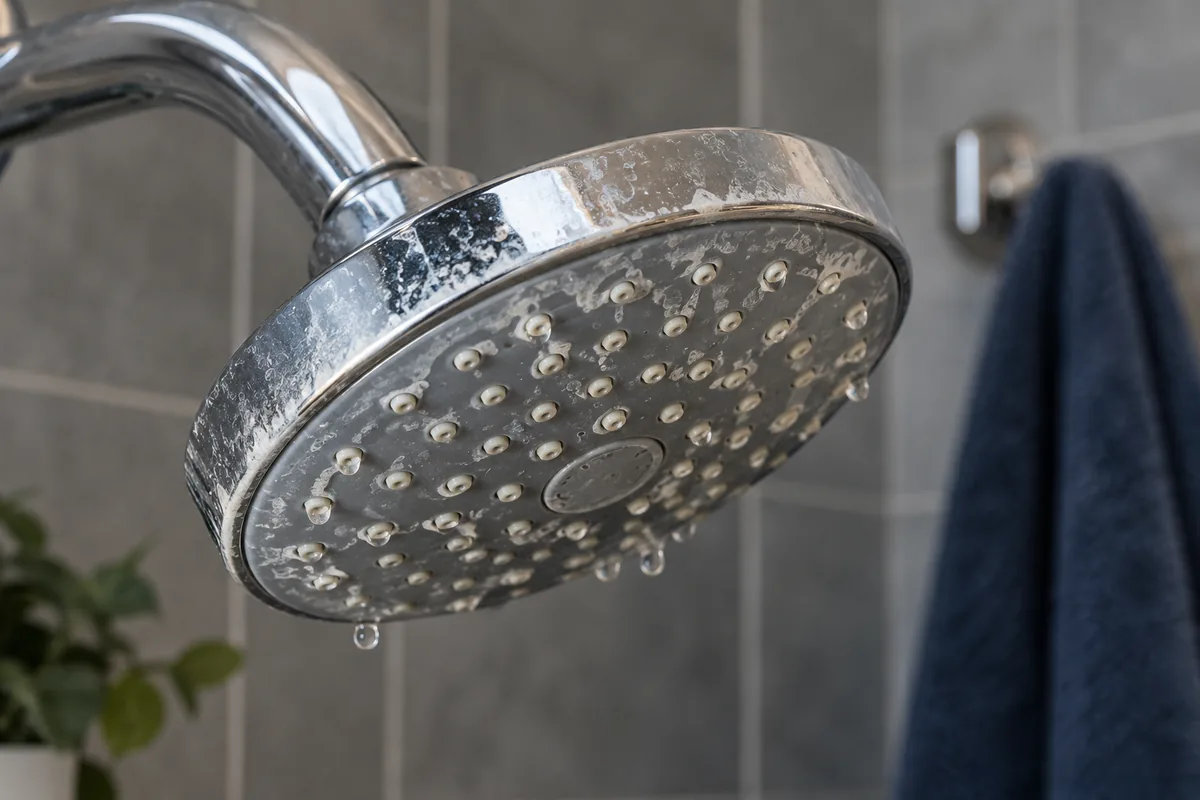
Evidence & mythsHard Water, Hair, and Skin: Why the Studies DisagreeJul 18, 2026 / 5 min read
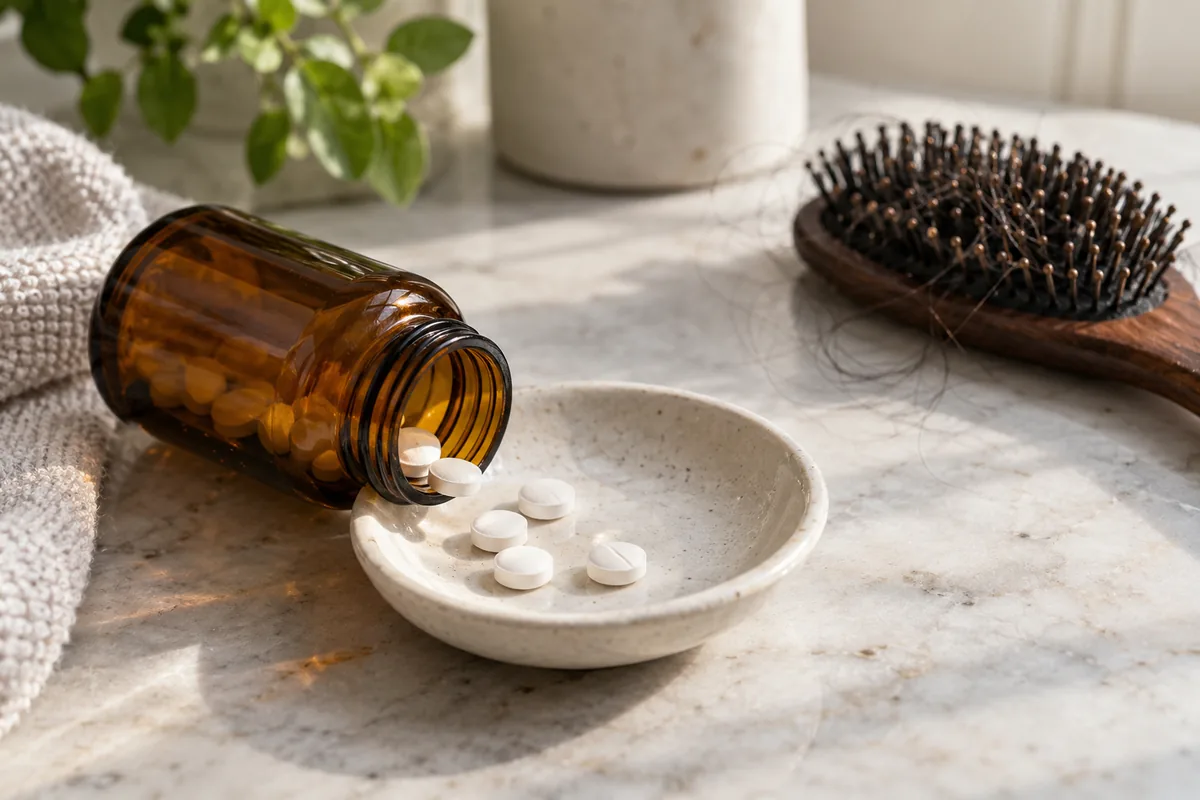
Evidence & mythsBiotin for Hair Growth: Deficiency vs. MarketingJul 18, 2026 / 5 min read
Evidence & mythsThe Silicone "Buildup" Myth: What Actually Happens on Your HairJul 17, 2026 / 5 min read
Evidence & mythsDIY Skincare: What's Actually Fine, and What Can Really Hurt YouJul 12, 2026 / 6 min read
Evidence & mythsThe Detox Skincare Myth: What Clay Masks, Charcoal, and Sweat Actually DoJul 12, 2026 / 5 min read
Evidence & mythsDoes Drinking Water Actually Give You Glowing Skin? Here's What the Studies ShowJul 12, 2026 / 6 min read
Evidence & mythsThe "Chemical-Free" Myth: Why Every Skincare Product Is ChemistryJul 12, 2026 / 6 min read
Evidence & mythsWhen Does Skincare Actually Expire? How to Read the PAO Symbol (and What to Toss)Jul 12, 2026 / 5 min read
Evidence & myths"Non-Comedogenic" Claims: How Much Should You Actually Trust Them?Jul 12, 2026 / 6 min read
Evidence & mythspH and Your Skin: What Actually Matters (and What's Mostly Hype)Jul 12, 2026 / 6 min read
Evidence & mythsFragrance in Skincare: What the Evidence Actually SaysJul 12, 2026 / 6 min read
Evidence & myths"Clean" and "Natural" Beauty Claims: What They Actually MeanJul 12, 2026 / 5 min read
Evidence & mythsDo Pores Really Open and Close? What Hot and Cold Water Actually DoJul 12, 2026 / 5 min read
Evidence & mythsGlass skin, honestly: what's achievable and what's lightingJun 29, 2026 / 5 min read
Evidence & mythsDouble cleansing: evidence or ritual?Jun 28, 2026 / 4 min read
Evidence & mythsSunscreen myths, checked against the evidenceJun 19, 2026 / 3 min readSearch products and ingredients, or jump to anywhere in beautydew labs.