Loading the Journal…
#evidence-based-skincare
Evidence-based articles tagged “evidence-based-skincare”, with supporting research and authority sources.
All articles
4 articles
 What Does a "Restricted" Ingredient Actually Mean?A "restricted" cosmetic ingredient almost never means banned — it means a concentration or pH rule, and 2,304 products in our catalog carry one, most for ordinary actives like citric acid.
 Why Does Health Canada Restrict MIT and MCI Preservatives?Health Canada caps methylisothiazolinone and methylchloroisothiazolinone by concentration and product type rather than banning them — a rule built on a documented, multi-country rise in contact allergy that several independent research groups called an "epidemic."
 Do Copper Peptides (GHK-Cu) Actually Work?Copper peptides (GHK-Cu) have a real, decades-old mechanistic case in lab and animal studies — but the ubiquitous "70%/50%/40% collagen increase" stat behind their current surge traces to a tiny 1998 pilot study that measured something different from what marketing claims, and nearly every synthesis of the evidence — starting with the field's first paper — has been written by the company selling the ingredient.
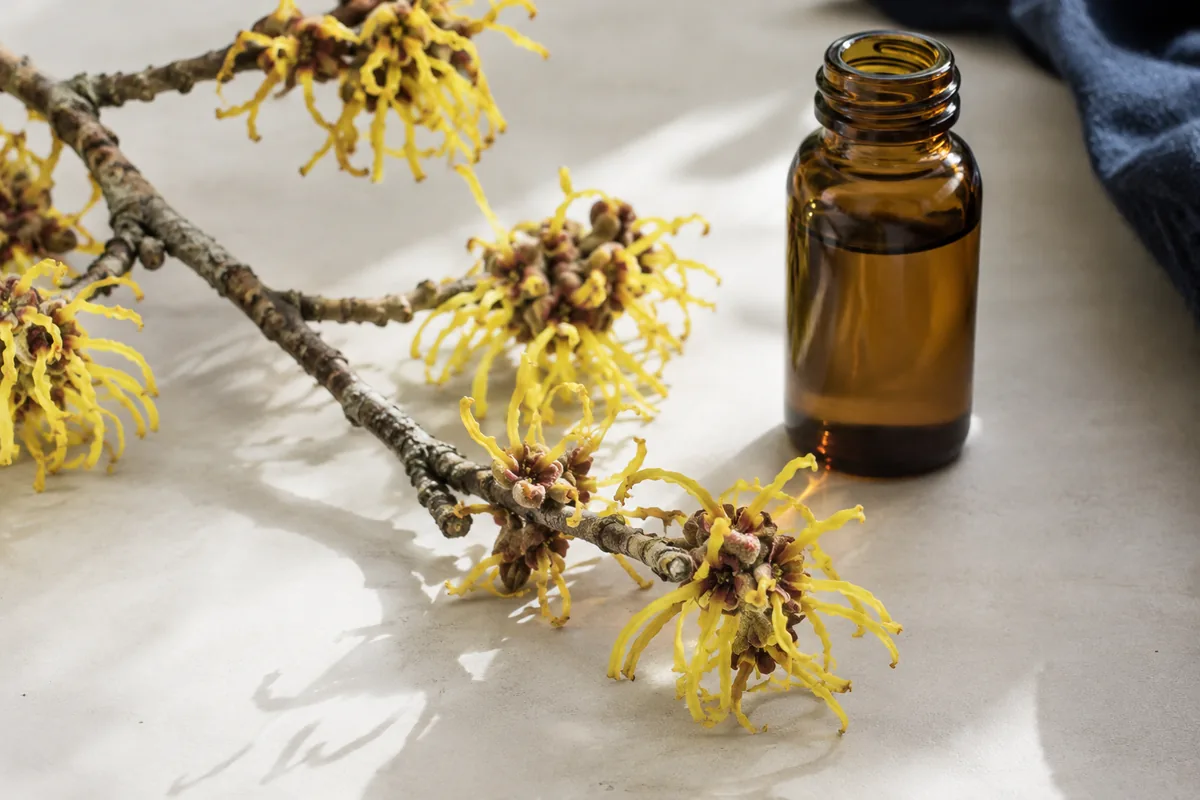 Is Witch Hazel Good or Bad for Your Skin?Witch hazel's reputation splits along a real chemical line: the tannin-rich extract has preliminary anti-inflammatory evidence, but most drugstore witch hazel is a steam-distilled, tannin-poor water with 14% alcohol added — and the alcohol, not the plant, is the more likely source of stinging or dryness.