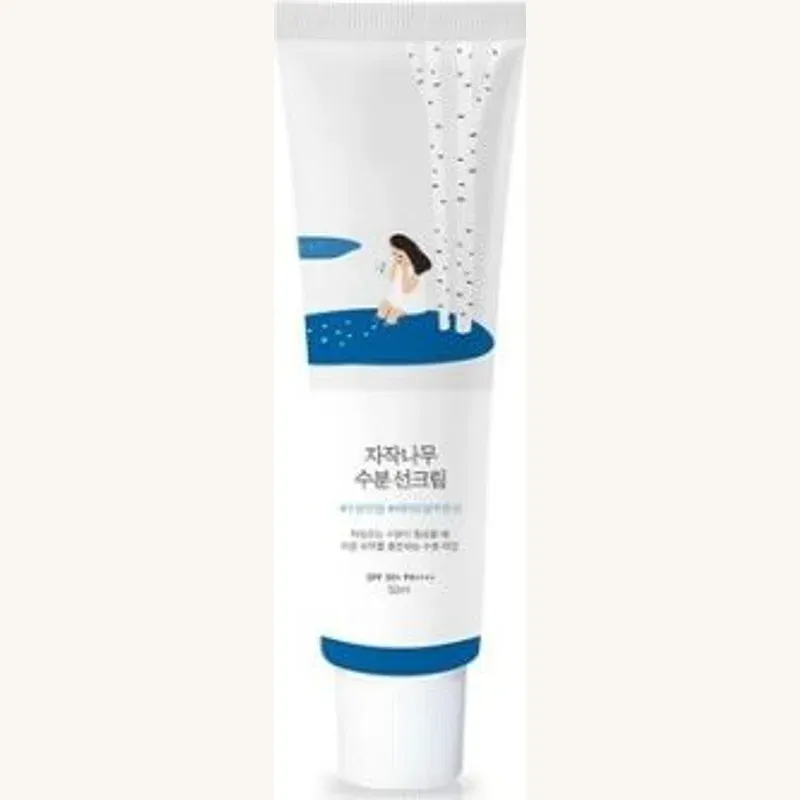
Does heartleaf (Houttuynia cordata) really calm acne and redness?
Short answer: in lab and animal studies, yes — heartleaf shows real anti-inflammatory, antioxidant, and antibacterial activity. In human skin the evidence is thinner: the only clinical acne trial tested it inside a four-herb blend, not on its own, and its "calming for sensitive skin" reputation currently rests on a mouse study.
What heartleaf actually is
Houttuynia cordata, nicknamed "heartleaf" for its heart-shaped leaves and "fish mint" for its smell, is a shade-loving plant native to East and Southeast Asia. It's been part of traditional medicine in China (Yu-Xing-Cao), Korea, and Japan for hundreds of years, used historically for respiratory and inflammatory complaints [1]. Its active compounds are mostly flavonoids — quercetin, quercitrin, hyperoside, rutin — plus a volatile compound called houttuynin, all with documented antioxidant and antimicrobial effects in lab testing [1]. Those flavonoids are why K-beauty toners and spot treatments for acne-prone, "sensitive" skin lean on heartleaf as a headline ingredient.
The anti-inflammatory and antioxidant evidence: mostly cells, not people
Two lab studies get cited most often for heartleaf's "calming" reputation. The first grew human dermal fibroblasts — real human skin cells, but in a dish — and provoked them with a bacterial component that triggers inflammation. Heartleaf extract suppressed the resulting TNF-α by up to 40% and COX-2 protein by up to 52% compared with untreated cells [2]. The researchers floated that this could make heartleaf useful for atopic dermatitis, but that's a hypothesis from a cell-culture result, not something tested in a person with eczema [2].
The second study exposed human keratinocytes (HaCaT, a standard lab cell line) to UVB radiation, a common way to model sun-triggered oxidative damage. Pretreating the cells with heartleaf extract raised cell survival from 57% (UVB alone) to 82%, with two flavonoids, quercitrin and hyperoside, identified as doing most of that protective work [3]. A real, measurable effect — but a lab dish under UV lamps, not a face in the sun.
The antibacterial case for acne
Heartleaf's antibacterial activity is the most directly testable claim, and it holds up in vitro. A 2024 study measured the concentration of heartleaf extract needed to stop the growth of C. acnes and Staphylococcus epidermidis, both bacteria implicated in acne and irritation, and found an effective concentration of about 250 micrograms per milliliter against each strain [4]. Genuine, but it doesn't tell you what concentration a finished toner or cream needs to reach the same result on real skin, since cosmetic formulas rarely disclose that — one more reason to scan a product's actual ingredient list rather than assume "contains heartleaf" means a clinically active dose.
Where the evidence runs out
Put the pieces together and it's easy to see why heartleaf became a K-beauty favorite: real antibacterial activity against acne bacteria, real anti-inflammatory signaling in human skin cells, real antioxidant protection against UV damage — each shown separately, each in a lab setting. What's missing is a trial that puts heartleaf, alone, on real faces and measures acne, redness, or barrier recovery over weeks.
The closest thing that exists is an 8-week randomized trial of a treatment containing heartleaf alongside three other herbal extracts (mangosteen, Lithospermum officinale, and Tribulus terrestris), tested against a vehicle control in 60 people with mild-to-moderate acne. Both inflammatory and non-inflammatory lesion counts dropped significantly more in the treatment group, with no serious side effects [5]. Encouraging, but it's a four-ingredient blend, so it can't tell you how much heartleaf itself contributed.
Meanwhile, the "calming for sensitive, eczema-prone skin" pitch on some product pages traces back to a 2025 mouse-model study, where heartleaf-derived polysaccharides reduced skin thickening, mast cell infiltration, and inflammatory markers, and helped restore barrier proteins [6] — preclinical, not proof of what a cream does on your cheek. If reducing visible redness is the actual goal, centella asiatica extract currently has a deeper base of human clinical evidence; heartleaf is a promising, biologically active ingredient riding on real lab data, not yet a proven substitute.
FAQ
Is heartleaf better than centella asiatica (cica) for redness?
Not based on current evidence. Heartleaf's calming effects are mostly documented in cell and mouse studies [2][3][6], while centella asiatica extract has a longer track record of human clinical testing for redness and barrier support. Both are reasonable to look for in a soothing product; centella currently has more human data behind it.
Can heartleaf replace my acne treatment?
No. The only human trial involving heartleaf tested it as part of a four-herb blend, not alone, and still showed a moderate, not dramatic, reduction in lesion counts [5]. It's reasonable as a supporting ingredient alongside proven actives like salicylic acid or benzoyl peroxide, not as a standalone treatment.
Is heartleaf extract safe for reactive or sensitive skin?
There's no published evidence of it being a common irritant, and its traditional-medicine and cosmetic use history is long. But "safe" and "proven soothing" are different claims. If you're trying to pin down what's actually triggering a reaction, scanning your product's full ingredient list will tell you more than a single calming-sounding ingredient name on the front of the bottle.