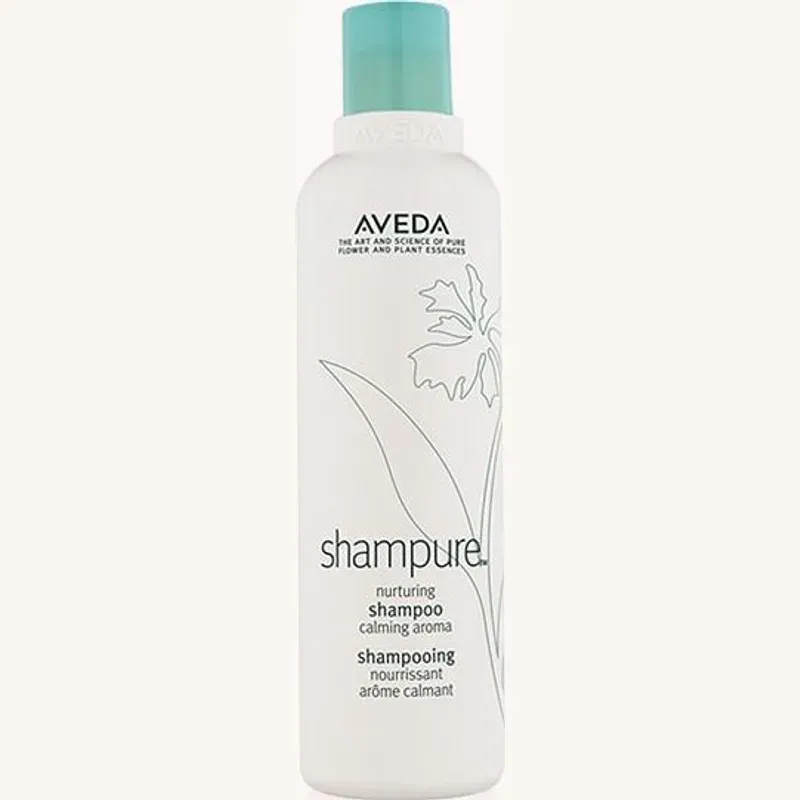
Can a product actually "repair" damaged hair, or does it just hide the damage?
Short answer: mostly hide, temporarily. The hair you can see and touch is dead tissue with no way to heal itself, so "repair" products smooth, coat, or patch what's already there. The only living part that decides what your hair looks like next is the follicle, under the skin.
What's actually alive in a strand of hair
Only one part of your hair is alive: the follicle, a small organ below your scalp with its own blood supply and nerve network. [2] Inside it, a cluster of cells called the matrix divides and pushes upward, signaled by a structure called the dermal papilla, building a new hair fiber cell by cell. [2]
As those cells move up and away from the follicle, they fill with a structural protein called keratin, lose their nucleus, and die — a process (keratinization) that turns living cells into the hard fiber you see. [1] By the time a strand reaches the surface of your scalp, it's already dead: no blood supply, no nerves, none of the repair machinery your skin uses to heal a cut. [1]
Why the shaft can't heal itself
Everything about how a strand behaves — its strength, stretch, and shine — comes down to bonds set when it was built: hydrogen, disulfide, and ionic bonds holding the keratin structure together. [3] Those bonds are effectively fixed once the fiber leaves the follicle. There's no living cell inside the shaft to rebuild a broken bond the way a cut in skin heals.
The underlying chemistry backs this up: cosmetic and chemical treatments change hair by interacting with these existing bonds — breaking some, temporarily re-forming others — not by regenerating the fiber. [3] Worth flagging: that bond-chemistry research comes from a haircare company's own lab, not a university — worth wanting outside replication, though it matches how keratin chemistry works elsewhere too. Either way, "interacting with a bond" can genuinely make hair feel stronger or look smoother for a while. It's not nothing. But it's a chemical patch on a strand that is, and remains, dead tissue.
So what does "repair" mean on a label
Conditioners largely work by depositing a thin, smoothing layer on the cuticle — the shingle-like outer layer of the strand — which flattens rough scales, cuts down friction between strands, and can even temporarily seal a split end back together. [4] That's a real improvement you can feel and see. It's also surface-level and temporary: a few more washes, a bit of rough brushing, and the same weak spot is exposed again.
Ingredients like panthenol, a staple of "repair" conditioners and masks, work the same way — a humectant and film-former that holds some moisture at the surface, making hair feel fuller and smoother. Silicones like dimethicone do something similar by coating the strand for slip and shine. Neither undoes the chemistry already broken down inside a damaged strand; they change how it behaves and feels from the outside in.
What this means when you shop
None of this makes "repair" products pointless — smoother, less-tangled hair really does snag and break less on its way to the ends. But it changes what to expect from a bottle. A trim removes damage that's already there; nothing you apply grows a split end back together for good. Gentler handling day to day — wide-tooth combs, lower heat, spacing out chemical treatments — protects the hair still forming inside the follicle, the part you can actually influence long-term. [5] If you're comparing products, our label scanner can help you see past the marketing language to what's actually on the ingredient list.
FAQ
Do "bond-building" treatments really rebuild broken bonds?
Some ingredients do chemically bridge broken disulfide bonds within the existing strand, and measurements of treated hair show this can improve strength and reduce breakage while the treatment lasts. [3] But that bridging happens inside a strand that's already dead tissue — it doesn't undo a split end that's already there, and the effect fades as the treatment washes out or wears down with handling.
Will a "repair" serum make damaged hair "healthy" again?
It can make damaged hair look and feel noticeably better — smoother, shinier, easier to detangle — mainly by coating and smoothing the cuticle. [4] What it can't do is turn a strand back into the fiber it was before the damage happened, because that fiber has no living cells left to rebuild. Ongoing gentle care, and eventually a trim, are what actually remove existing damage.
My hair is falling out, not just damaged — is that the same thing?
No. Damage to the visible shaft (dryness, breakage, split ends) is a different problem from hair loss, which starts inside the follicle itself. If you notice sudden, patchy, or unusually heavy shedding, that's a follicle-level question worth bringing to a dermatologist rather than something a conditioner can address.